Random Phone Numbers: Why You Need Them and Where to Get Them
You want a random phone number. Maybe you need clean test data, maybe you’re masking real information, or maybe you’re preparing material that can’t expose anyone’s actual number. The idea sounds simple, but the details matter because “random” doesn’t always mean safe or legal.
In this article, we:
- break down what a random phone number actually is
- explain why different industries use them
- show the safest placeholder number ranges
- outline the legality and the limits
- list the best tools for generating them
- answer common questions people get stuck on
What is a “Random Phone Number”?
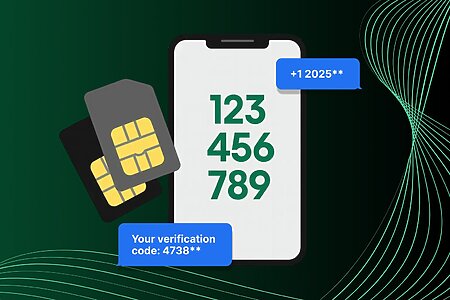
A “random phone number” is typically a number that is syntactically correct for a specific region (e.g., a US number with a valid area code and seven digits) but is not currently assigned to a live subscriber.
It’s important to distinguish between two types:
- Syntactically valid, unassigned numbers: These are generated by tools to match the format of a real number but are not active. They are perfect for testing form validation or populating databases.
- Placeholder/Fictional numbers: These are specific, non-working numbers reserved by telecommunications authorities for use in media, film, and television to prevent accidental dialing of real people.
Why You Might Need a Random Number
Most people need a random number for testing, privacy, media work, or multiaccounting. The use case is usually practical, not creative.
- Software testing comes first. Developers need safe data when they check validation, formatting, and country-specific logic. Using real numbers creates legal and privacy issues, so test data has to be fake.
- Data masking is the same story. Teams building demos or sharing internal datasets can’t expose real customer information. They replace it with numbers that look authentic but don’t lead anywhere.
- Media production uses random numbers to avoid problems on screen or in print. A fake number protects anyone from getting unexpected calls because someone copied a prop phone number.
- Multiaccounting is another common case. People managing large account batches on platforms like Telegram or WhatsApp need placeholder numbers when they create walkthroughs, training material, or interface previews. It keeps the workflow clean and avoids leaking real data.
If your project touches high-volume setups, this breakdown explains the full workflow of phone farming and where number management fits.
Random Phone Number for Multi-Accounting
Multi-accounting looks simple from the outside, but the phone-number part is always the point where people try to take shortcuts. A random number won’t help you here. Platforms like Telegram, WhatsApp, Google, or any social network need an active line that can receive SMS or calls. A syntactically valid but inactive number doesn’t pass verification, so the account never gets created.
If you’re looking for ways to bypass verification entirely, you can read how to create a Gmail account without a phone number.
For multi-account operations, you need virtual numbers, temporary numbers, or SMS-enabled lines—not random placeholders. These services provide real, functioning numbers that can receive verification codes, reset passwords, and stay active long enough for the account to live. Random generators can’t do that. They only create numbers that look real for testing or data masking.
If you try to use a random number instead of a real verification line, you hit three problems immediately:
- It won’t receive the code
- It can accidentally belong to a real person
- It puts the account at risk because the platform treats it as invalid data
Multi-accounting needs stability. That means using proper virtual or temporary numbers designed for verification, not random strings that only work on paper.
If you need real SMS-ready lines instead of random placeholders, check our guide to the best virtual numbers for Telegram.
Common Placeholder Numbers
Telecommunications regulators reserve specific number ranges that are guaranteed not to be in use. These are the “universal” placeholders you often see:
- US/Canada: The most common fictional number is 555-0100 through 555-0199. Any number starting with 555 is generally reserved for fictional use, though only the 01xx range is guaranteed not to be assigned.
- UK: Numbers starting with (020) 7946 are often used as fictional London numbers.
- Australia: Numbers starting with (02) 9496 are reserved for fictional use.
Using these numbers is the safest way to ensure you don’t accidentally contact a real person.
Is It Legal to Generate and Use Random Phone Numbers?
Yes, generating and using random phone numbers is legal, provided you use them for their intended purpose: testing, data masking, or fictional media.
The legality hinges on intent:
- Legal: Using a generated number to test a website form or as a placeholder in a script.
- Illegal/Unethical: Using a generated number to register for a service that requires a real, active number (like a social media account) or attempting to use a generated number to make a call or send a text message. If the number happens to be a real, active number, calling it could violate telemarketing laws or simply harass an innocent person. Never use a random number generator to find a real person’s contact information.
7 Best Websites to Generate Random Phone Numbers
These tools are primarily used by developers and data analysts to create large batches of realistic, but non-working, phone numbers for testing purposes.
1. BestRandoms.com

Overview: This simple tool focuses specifically on generating random US phone numbers. It has a clean interface and often includes the corresponding city and state, which is a small but useful detail for making the data look more authentic for testing databases.
Best For: Quick, single-use US number generation where you need the number to look like it belongs to a specific state or city.
2. CodeBeautify.org
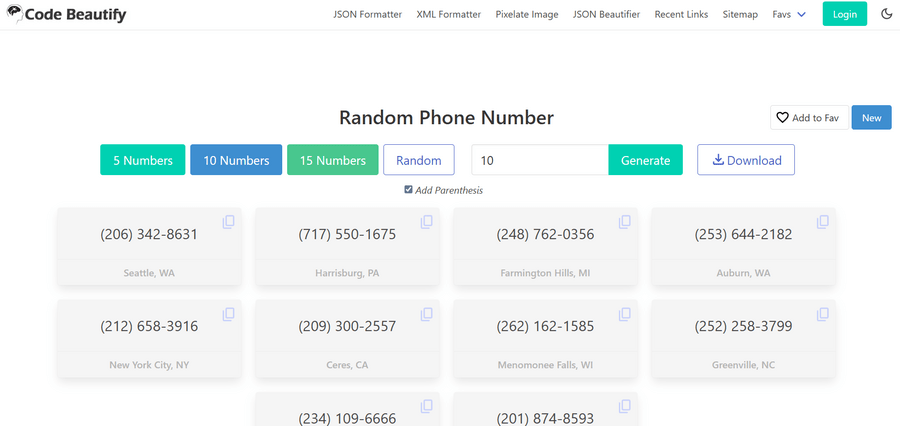
Overview: CodeBeautify is a versatile online utility suite primarily aimed at developers. Its random phone number generator is one of many tools it offers, allowing users to quickly create a list of numbers in the US format directly in their browser.
Best For: Developers who are already using CodeBeautify for other code formatting or data manipulation tasks and need a quick, no-fuss number list.
3. KrispCall Phone Number Generator
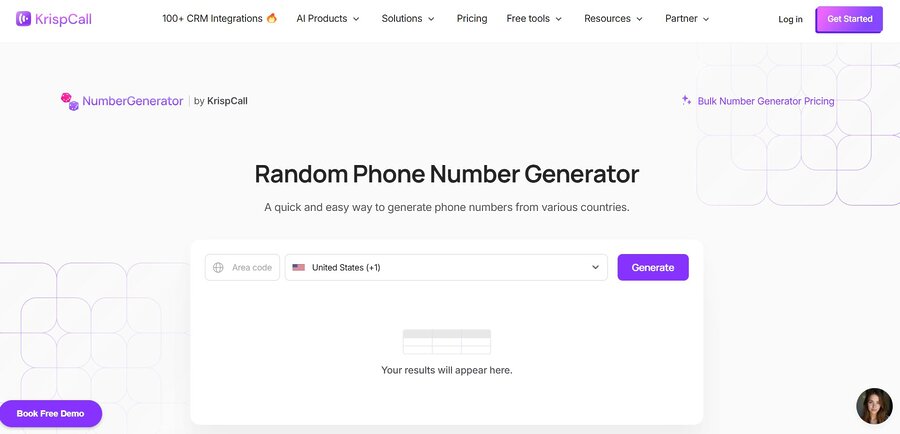
Overview: Designed with a focus on telecommunications and international testing, this tool can generate authentic-looking phone numbers from various countries. It is part of a larger suite of tools for checking number availability and validation.
Best For: Testing international validation logic and ensuring your application can handle phone number formats from a wide range of countries beyond the US.
4. Dialaxy.com
Overview: A straightforward generator that provides fresh, working-format phone numbers quickly. It is a dedicated tool for number generation, which means it is fast and focused on delivering a clean list of numbers without extra features.
Best For: Simple, high-speed generation of a list of numbers for bulk data population where you don’t need extra geographic details.
5. Generate-Random.org
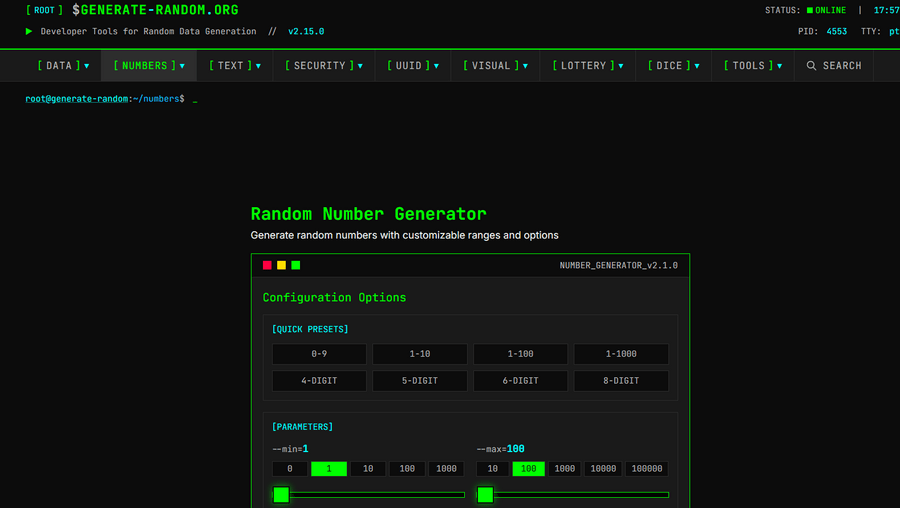
Overview: This site offers a clean interface where you can select the country (including US, Japan, and Korea) and the desired format (e.g., E.164) for your generated phone numbers. It is a good choice for users who need to specify technical formatting.
Best For: Users who need to generate numbers for specific international markets (like Japan or Korea) and require the output in a specific technical format like E.164.
6. CoolGenerator.com
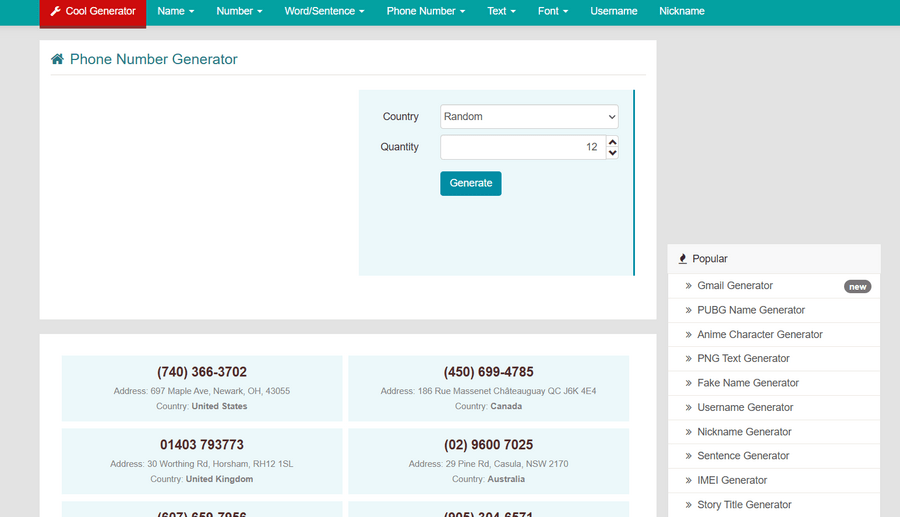
Overview: This tool specializes in generating random phone numbers from the United States, adhering strictly to the country’s fixed phone number rules. It is a reliable source for creating realistic US data for testing.
Best For: Creating realistic US data for testing where strict adherence to the North American Numbering Plan (NANP) format is essential for validation.
7. PhraseFix.com
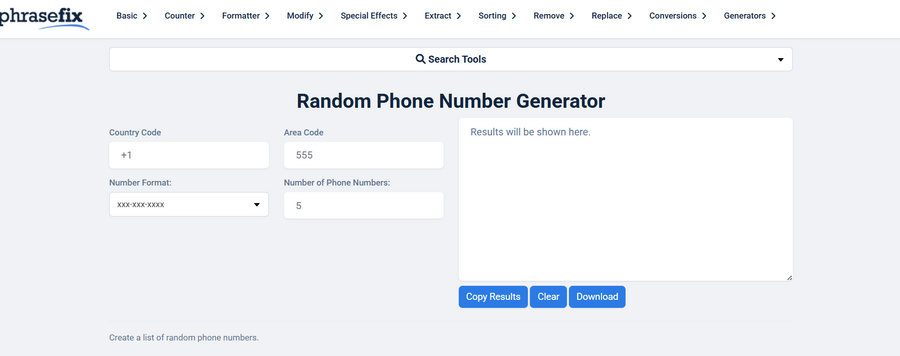
Overview: A simple, no-frills tool where you specify the quantity, and it instantly creates a list of random phone numbers. It is one of the quickest options for generating a large volume of numbers for bulk data tasks.
Best For: Bulk data population tasks where the primary requirement is a large quantity of syntactically correct numbers with minimal user input.
FAQ
What is the purpose of random phone numbers to call?
Random phone numbers are not intended to be called. They are generated for testing software, filling databases with fake but realistic data, or for use as fictional placeholders in media. The risk is high: if you call a number generated by chance, you could connect to a real person, which is a serious privacy violation and could potentially lead to legal issues under telemarketing or harassment laws. Stick to using them for data, not dialing.
How can I get random United States phone numbers?
You can get random United States phone numbers using online generator tools like BestRandoms.com or CoolGenerator.com. These tools are designed to follow the strict North American Numbering Plan (NANP) format, ensuring the number looks authentic (e.g., a valid area code and seven digits) but is not an active line. This is crucial for realistic data testing.
What is the best way to generate random phone numbers in the US?
The best way is to use a dedicated online generator tool that allows you to specify the country (US) and strictly adheres to the North American Numbering Plan (NANP) rules. This ensures the generated numbers are syntactically correct and pass basic validation checks, which is the primary goal for software testing.
Where can I find random US phone numbers for testing?
You can find random US phone numbers for testing on developer-focused utility sites like KrispCall Phone Number Generator or Generate-Random.org. These platforms are built to produce large batches of fake but correctly formatted data, often with options to include geographic details, making the test data more robust and realistic.
Why should I avoid trying to find random people's phone numbers?
You should avoid trying to find random people’s phone numbers because it is a severe invasion of privacy and a breach of ethical conduct. Using a generator for this purpose is not only unethical but can also violate anti-harassment and telemarketing laws if you attempt to contact the number. The tools are for data generation, not contact discovery.
How to find random phone numbers for data population?
To find random phone numbers for data population, use a generator tool that allows you to specify the country and the exact quantity you need, such as PhraseFix.com or CodeBeautify.org. The key benefit here is ensuring the numbers are formatted correctly for your database schema without the legal and ethical risks associated with using real user data.
What are some random phone numbers that are safe to use as placeholders?
The safest random phone numbers to use as placeholders in the US are those in the 555-0100 through 555-0199 range. This specific block is reserved by the FCC for fictional use in media (movies, TV, books) and is guaranteed not to connect to a real person, making it the only truly safe placeholder to display publicly.
How to get random phone numbers for software validation?
You can get random phone numbers for software validation by using a generator tool that allows you to select a specific country’s format. This is essential for testing the validation logic of your software to ensure it correctly accepts and rejects numbers based on regional rules, preventing bugs when your application scales internationally.
Why do I keep getting phone calls from random numbers?
You keep getting phone calls from random numbers because of robocallers and spam operations that use sophisticated software to spoof or cycle through phone numbers. This tactic, known as “neighbor spoofing,” makes the call appear to come from a local number, increasing the chance you’ll answer, and making it harder for you to report or block them permanently.
Are phone numbers truly random?
No, phone numbers are not truly random. They follow a strict, hierarchical structure based on country codes, area codes, and exchange codes (the first three digits after the area code). Random number generators only create numbers that are random within the constraints of these established rules, which is why they look real but are not.
How to block random phone numbers that call me?
To block random phone numbers, you should use your phone’s built-in blocking features, enable carrier-level call-blocking services (like AT&T Call Protect or T-Mobile Scam Shield), or install a third-party call-blocking app that uses a database of known spam numbers. Since spammers constantly change numbers through spoofing, a multi-layered approach using a third-party app is often the most effective solution.
Conclusion
A random phone number has its place, but only when you use it for what it was meant for: testing, masking real data, or creating safe placeholders in media. The moment you move outside those boundaries, the risks stack up fast.
The tools and ranges listed above give you numbers that look real without causing problems, and they keep your workflows clean and compliant. Use them when you need structure, avoid them when you need verification, and treat any number that reaches a real person as off-limits.